
Electric three-wheelers are the fastest-growing vehicle category most mobility buyers are not tracking yet. While e-bike sales have flattened in several Western markets after their post-2020 spike, the three-wheeler is compounding from a different base: a $1,250–$1,550 FOB price point, a 300–500 kg payload, and a vehicle class that needs no license in most US states and no plate in the EU at 250W. This article maps the 2026 global demand picture, the US import boom, EU regulatory tailwinds, Asian domestic volume and African last-mile adoption, and what it means for importers, distributors and OEM buyers deciding where to place inventory.
The US Boom: From Rural Curiosity to Mainstream Category
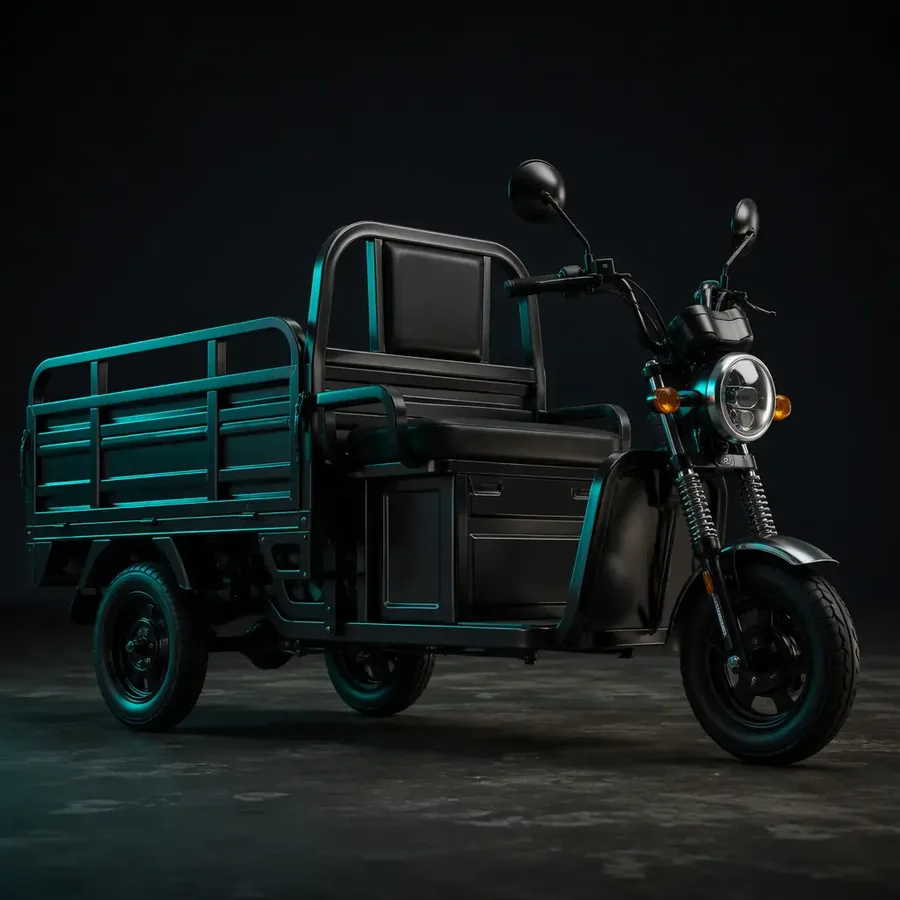
The American story starts with the “three-wheeler” viral wave, Chinese cargo trikes filmed on US farms and suburban streets, but the durable demand behind it is economic, not viral:
- Price arbitrage . A 500 kg-payload cargo trike at $1,250–$1,550 FOB versus a pickup at $35,000+ or a golf cart at $8,000–$15,000. The comparison math is worked out in our trike vs pickup cost analysis.
- Rural and small-town utility . Farms, ranches and rural property owners use trikes for feed, fencing and grocery runs; the specific farm-duty use cases are in our farm & ranch guide.
- No-license class . Most states treat a 750W, 20 mph trike as a consumer product under the Class 2 umbrella, removing the licensing friction that blocks car ownership. The state-by-state rules are in our US & EU legality guide.
- Channel build-out . Importers who started with one container are now running regional dealer networks; the sourcing mechanics are documented in our China import guide.
US import volumes of cargo tricycles have grown every quarter since the wave began, and the category is moving from “novelty” into planned fleet purchasing, the phase where distributors place repeat orders instead of one-off containers. The origins and mechanics of that boom are covered in our Why Americans Are Buying Chinese Three-Wheelers article.
Europe: Regulation and Demographics Are Building Demand
The EU market grows on two separate engines:
- Aging demographics. Germany, Italy and Japan all have 20%+ of their populations aged 65+. Passenger trikes sell through mobility dealers as the “outdoor” step up from mobility scooters; the senior-mobility channel economics are detailed in our passenger e-tricycle guide.
- Regulatory clarity . The 250W EPAC class (EN 15194, no plate, no license) keeps trikes inside bicycle regulation, while the L1e/L2e vehicle classes with eMark approval cover 45 km/h commercial models. That two-tier structure lets distributors sell both a consumer product and a commercial vehicle from the same factory line.
- Last-mile substitution. European cities are restricting vans in center zones while courier demand grows. Food-delivery and courier fleets are adding trikes; the per-trip economics are analyzed in our food delivery trike guide.
The EU certification cost and scope comparison, EN 15194 vs eMark vs UL 2849, is covered in our EU vs US certification guide.
Asia: The Volume Base the West Is Still Discovering
Three-wheelers are not new in Asia. They are the backbone of last-mile transport for hundreds of millions of people:
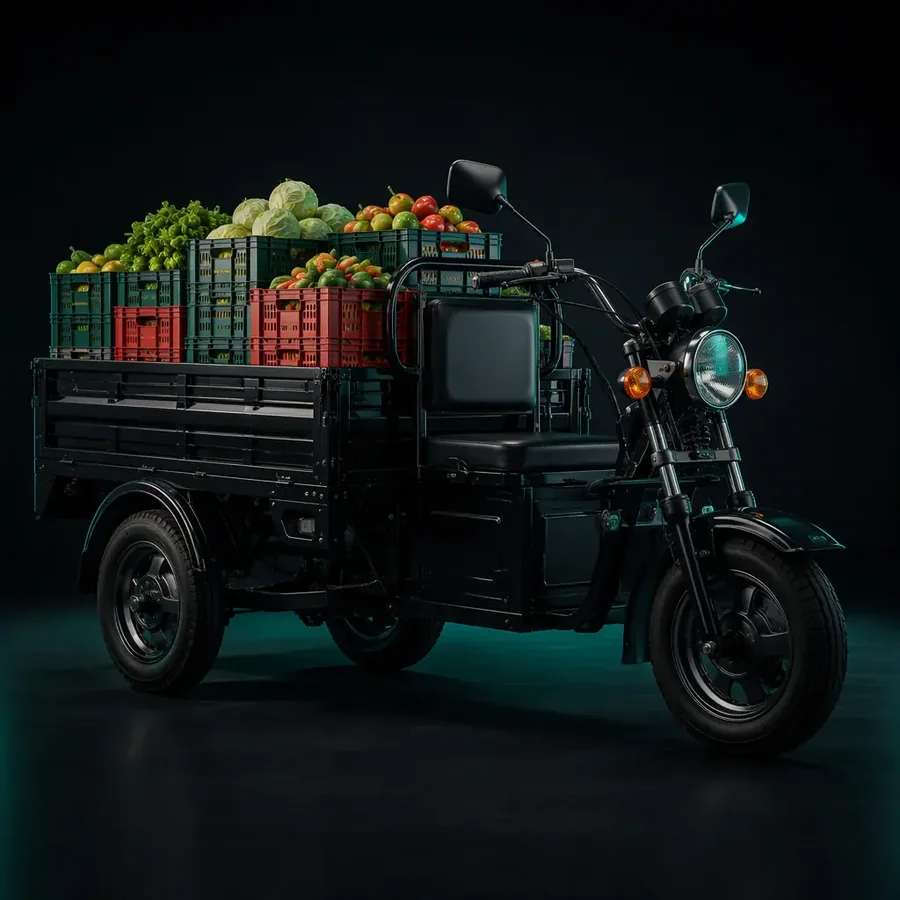
- China . The domestic market for electric tricycles is measured in tens of millions of units annually, spanning agricultural, logistics and passenger use. Chinese manufacturing scale is exactly why FOB prices for export-grade trikes sit at $1,250–$1,550 with 300–500 kg payloads.
- India and Southeast Asia . Electric rickshaws and cargo trikes are displacing ICE auto-rickshaws on operating cost; the electrification is happening in fleet-sized orders, not single units.
- The export pipeline . Export factories ship the same platform to US, EU, Latin American and African buyers, which means a distributor’s replacement parts and service knowledge carry across markets. Container loading and landed-cost planning are covered in our import guide.
Africa, Latin America and the Global South: Last-Mile at Van Prices
In markets where a delivery van costs $15,000–$25,000 and fuel is expensive, the trike’s economics are transformative:
- Last-mile logistics . Rural and peri-urban routes that cannot support a van amortize a trike in months, not years. The route-level economics are analyzed in our rural last-mile delivery guide.
- Infrastructure fit . Trikes charge from any 110/220V outlet, need no depots or special parking, and are serviceable with basic tools, the maintenance reality is covered in our maintenance guide.
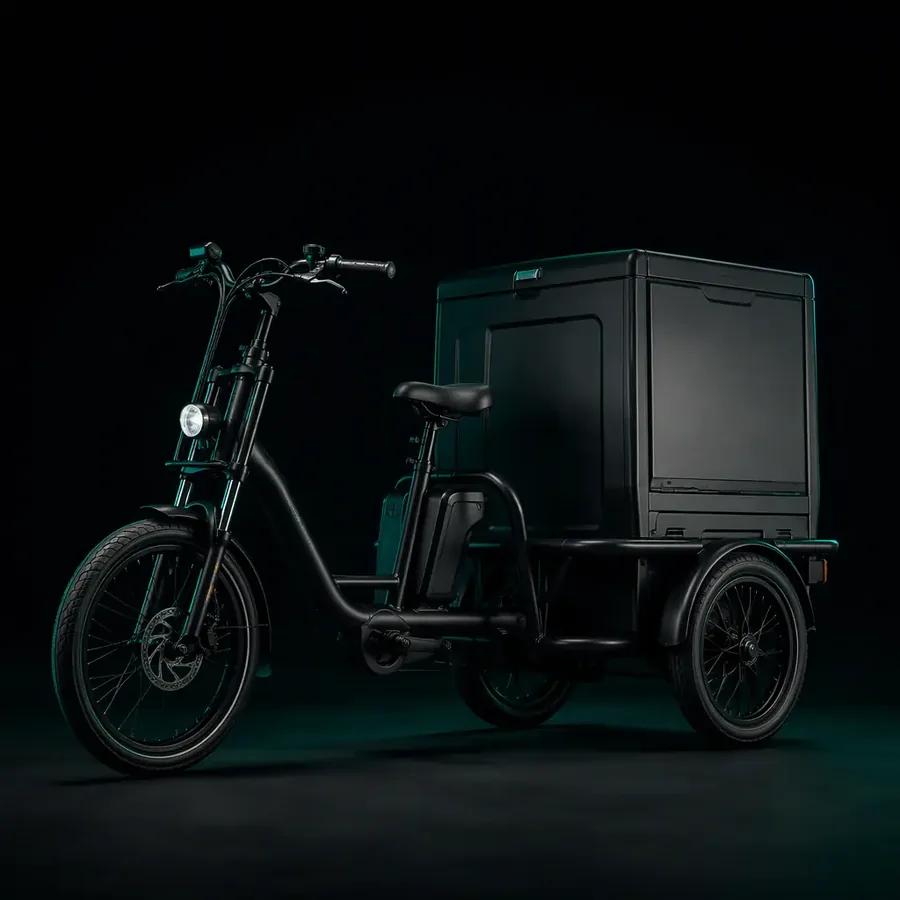
- Food and goods delivery . The street-food and market delivery model scales from one unit to fleets; our food delivery guide covers the insulated-box configurations.
What the 2026 Market Means for Distributors
Three signals suggest this is the window to build a trike channel:
- Category, not fad . The demand drivers (price, payload, license-free class) are structural, not viral. The viral wave created awareness; the repeat-order pattern creates a business.
- Certification is the moat . Importers who stock UL 2849 / EN 15194-certified product with documentation can sell to dealers; grey-market units cannot. Certification strategy is covered in our certification guide.
- Supply is consolidating around real factories . Buyers who source from Chinese factories with documented specs, test data and service parts will outlast those who buy from trading companies. The factory evaluation checklist is in our OEM buying guide and cargo tricycle OEM guide.
Positioning Your Order for 2026–2027
For buyers placing container orders in the current cycle, the practical checklist:
- Spec for your market’s class, 750W Class 2 for the US, 250W EPAC or L1e/L2e for the EU, 1000–1200W heavy-duty for non-EU payload markets.
- Dual-voltage battery strategy. 60V 32Ah NMC for light urban fleets, 72V 40Ah LFP for heavy duty; the full trade-off is in our 60V vs 72V battery guide.
- Plan lead times . Standard production runs 15–30 days after deposit; OEM first orders run 30–45 days. Container consolidation and freight planning are in our import guide.
- Book the certification lead time, UL 2849 and eMark approvals take weeks, not days; start the paperwork with the factory before the order, not after.
The global three-wheeler market is past the curiosity phase. The importers who treat it as a category, with certification, service parts and repeat orders, are the ones who will own it in 2027.
Build Your Three-Wheeler Channel
Tell us your target market and distribution plan. We will recommend the class, spec and container plan, with certification documentation and sample units for your dealer network.
