
When a fleet buyer specs a cargo e-tricycle, the first question is almost never about the motor, it is about the battery voltage. 60V or 72V? The answer decides torque on grades, real-world range, charging time, pack weight and the replacement cost two years down the road. On our cargo tricycles the two options are concrete: a 60V 32Ah NMC pack (1,920 Wh) and a 72V 40Ah LFP pack (2,880 Wh), both swappable with heavy-duty BMS. This guide works through the engineering trade-offs in the order a buyer actually feels them: hill torque, range, charging, weight and total cost per watt-hour.
Voltage, Current and the Torque That Moves 500 kg
The motor does not care about voltage directly, it cares about power (watts) and current (amps). But voltage sets how much current the same power demands, and current is what heats wiring, controllers and motor windings:
- Power = Voltage × Current. Delivering 1200W at 60V draws 20A; at 72V it draws 16.7A. Lower current means cooler controllers, thinner cables and less energy lost to heat on long climbs.
- Torque at the wheel . With a differential-equipped 1000–1200W hub motor, the 72V system sustains rated torque at higher speeds and holds speed better on 8–10° ramps with a full 500 kg load. The 60V system is adequate for 300 kg duty on flat-to-moderate terrain.
- Hill behavior . A 72V pack keeps pack voltage above the controller’s low-voltage cutoff longer under load, so a loaded trike climbs longer before the controller derates. This is the single most-cited difference in fleet feedback.
The motor power classes and what 800W vs 1200W actually delivers on the road are covered in our motor power guide; this article focuses on the electrical side of the same decision.
Watt-Hours: The Honest Range Metric
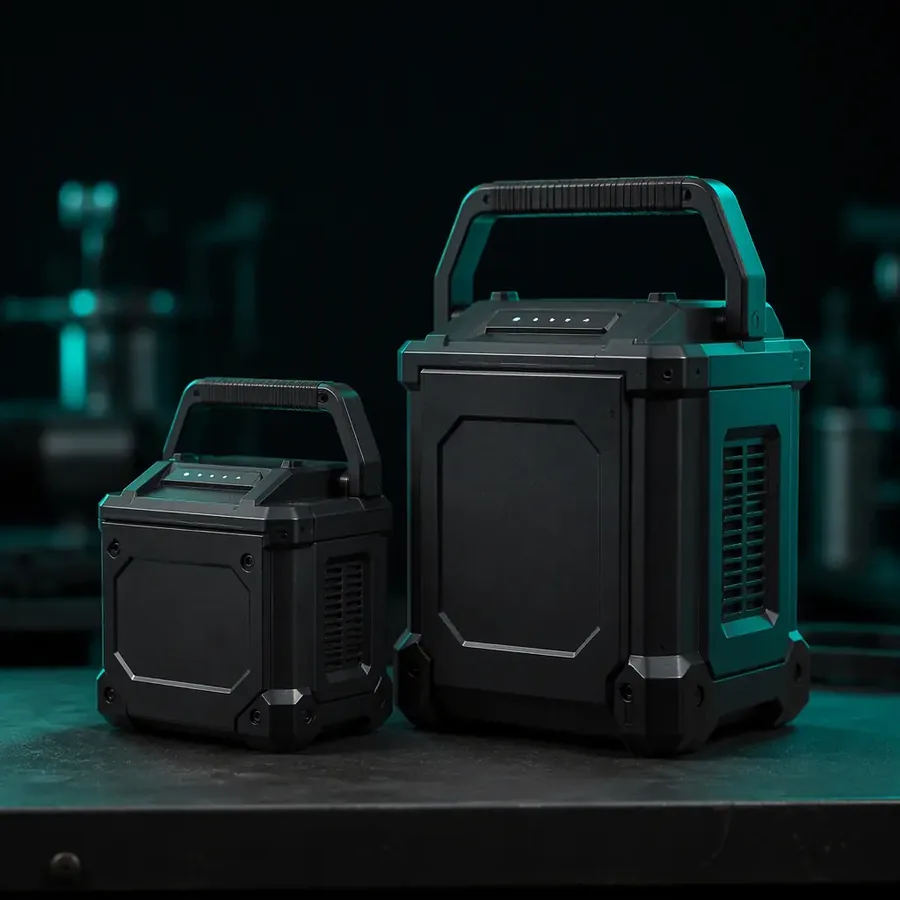
Amp-hours alone are meaningless without voltage. Compare the two packs properly:
| Spec | 60V 32Ah NMC | 72V 40Ah LFP |
|---|---|---|
| Energy | 1,920 Wh | 2,880 Wh |
| Chemistry | NMC (nickel-manganese-cobalt) | LFP (lithium iron phosphate) |
| Range (200 kg, flat) | 50–65 km | 70–80 km |
| Charge time (5A charger) | ~6.5 h | ~8–10 h |
| Pack weight | ~18–20 kg | ~24–26 kg |
| Cycle life | 500–800 cycles | 2,000+ cycles |
| Cold-weather tolerance | Moderate (NMC) | Better low-temp cutoff behavior |
The 72V pack carries 50% more energy (2,880 vs 1,920 Wh) for roughly 30% more weight and a longer charge window. For a double-shift delivery route that burns 1,500 Wh a day, the 60V pack needs a midday top-up or a second pack; the 72V pack clears the shift with margin. The chemistry-level differences (NMC energy density vs LFP cycle life) are explained in our battery technology guide, including the EU Battery Passport documentation that applies to both from 2027.
Charging Strategy: Overnight, Mid-Shift or Swapped
Voltage changes the charging playbook in three ways:
- Overnight charging . Both packs fully charge in 6–10 hours on the standard 5A charger, so overnight depot charging works for either. The 72V pack simply wants the longer window.
- Mid-shift top-up . At 5A, a 60V pack recovers ~290 Wh per hour of charge (roughly 8–10 km of range); the 72V pack recovers ~350 Wh per hour. If your route has a lunch-hour charge point, the 72V pack buys back more range per plugged-in hour.
- Swappable packs . Both packs are slide-out designs with carry handles. A fleet that buys two packs per trike can run continuous double shifts; the 60V pack’s lower weight (18–20 kg vs 24–26 kg) makes manual swapping noticeably easier for single-operator use.
Battery care routines that double pack life, storage voltage, charge cycles, avoiding deep discharge, are covered in our tricycle maintenance guide.
Duty-Cycle Selection: 300 kg vs 500 kg
The cargo tricycle’s payload classes line up with the voltage decision:
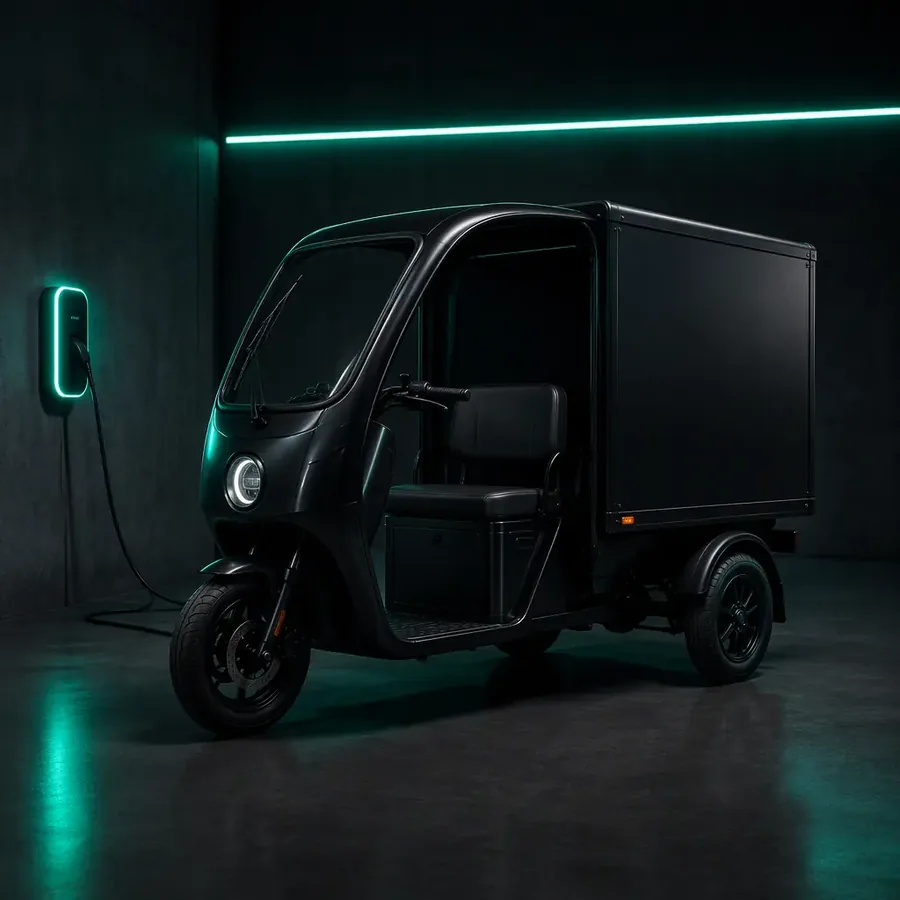
- 300 kg (EU-standard duty) . Urban food delivery, courier rounds, light vending. The 60V 32Ah NMC pack is the cost-optimized choice: enough range for a 6-hour city shift, lighter to swap, and the lower purchase price matters when outfitting a 20-unit fleet.
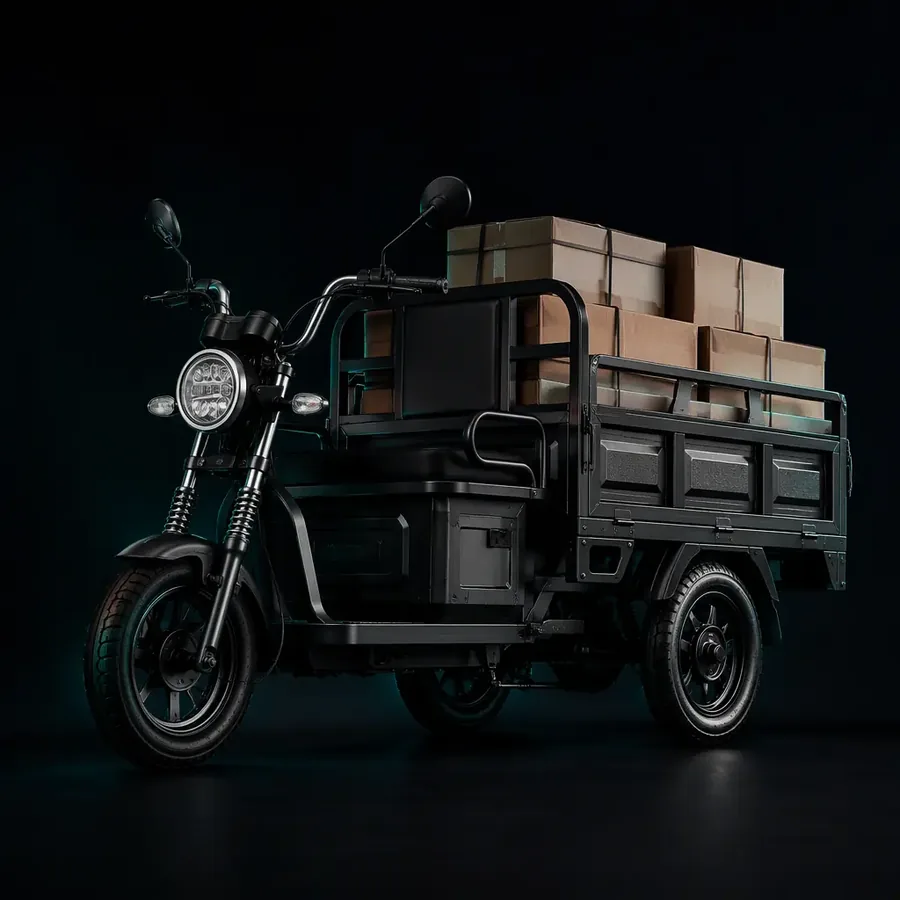
- 500 kg (non-EU heavy duty) . Farm supply runs, construction-site shuttling, market wholesale loads, aggregate delivery. The 72V 40Ah LFP pack is the right pairing: more torque under load, 50% more energy, and LFP’s 2,000+ cycle life amortizes over a longer heavy-use service life.
The payload envelope and box configurations for both classes are specified in our cargo tricycle OEM guide, and the farm-duty use case (feed, fencing, harvest loads) is detailed in our farm & ranch tricycle guide.
Cost per Watt-Hour and Total Battery Cost of Ownership
Price the battery as an operating asset, not an accessory:
| Metric | 60V 32Ah NMC | 72V 40Ah LFP |
|---|---|---|
| Typical pack cost (spare) | $450–$650 | $700–$950 |
| Cost per Wh | ~$0.28 | ~$0.28 |
| Rated cycles | 500–800 | 2,000+ |
| Lifetime energy delivered | ~1,100 kWh | ~5,800 kWh |
| Cost per lifetime kWh | ~$0.50 | ~$0.14 |
LFP’s cycle life makes the 72V pack dramatically cheaper per lifetime kilowatt-hour . Roughly 3.5× lower despite the higher upfront price. For fleets that run the same trike five years and 1,000+ cycles, the LFP pack pays for its premium before year two. The same logic applies to the two-wheeler fleets covered in our cargo delivery fleet guide.
Cold Weather and Heat: Chemistry Behavior
Voltage does not change chemistry behavior, but it changes how much margin you have when chemistry degrades:
- Cold . Lithium packs lose usable capacity below 0°C. Both systems need a BMS low-temperature charge cutoff; the 72V pack’s 50% energy surplus means a cold morning costs you range you can spare, while a cold 60V pack can drop a full-shift route into anxiety territory.
- Heat . Sustained 1200W draws on 8°+ grades generate controller heat. The 72V system’s lower current draw keeps controller temperatures lower on the same hill, which matters in 35°C+ climates.
- Storage . Both packs store best at 40–60% charge; the seasonal storage protocol is covered in our maintenance guide.
Decision Table for OEM Buyers
Specify the pack by answering three questions:
- What is the max sustained grade at full payload? 8°+ with 500 kg → 72V. Flat city routes with 300 kg → 60V is enough.
- How many Wh does one shift burn, and is there a mid-shift charge point? Over 1,600 Wh with no top-up → 72V, or 60V with a spare pack.
- How long will the vehicle stay in service? Beyond 3 years / 800 cycles of heavy use → 72V LFP wins on lifetime cost.
Both packs ship with the same heavy-duty BMS, EN 15194 / UL 2849 documentation paths and UN 38.3 transport certification. For importers comparing landed cost and container economics, our China import guide covers the freight side, and our OEM buying guide covers sample, MOQ and payment terms.
Spec the Right Voltage for Your Duty Cycle
Send us your routes, payload and grade profile. We will match the motor, pack voltage and chemistry, with range data from our test cycles and a spare-pack cost sheet.
