
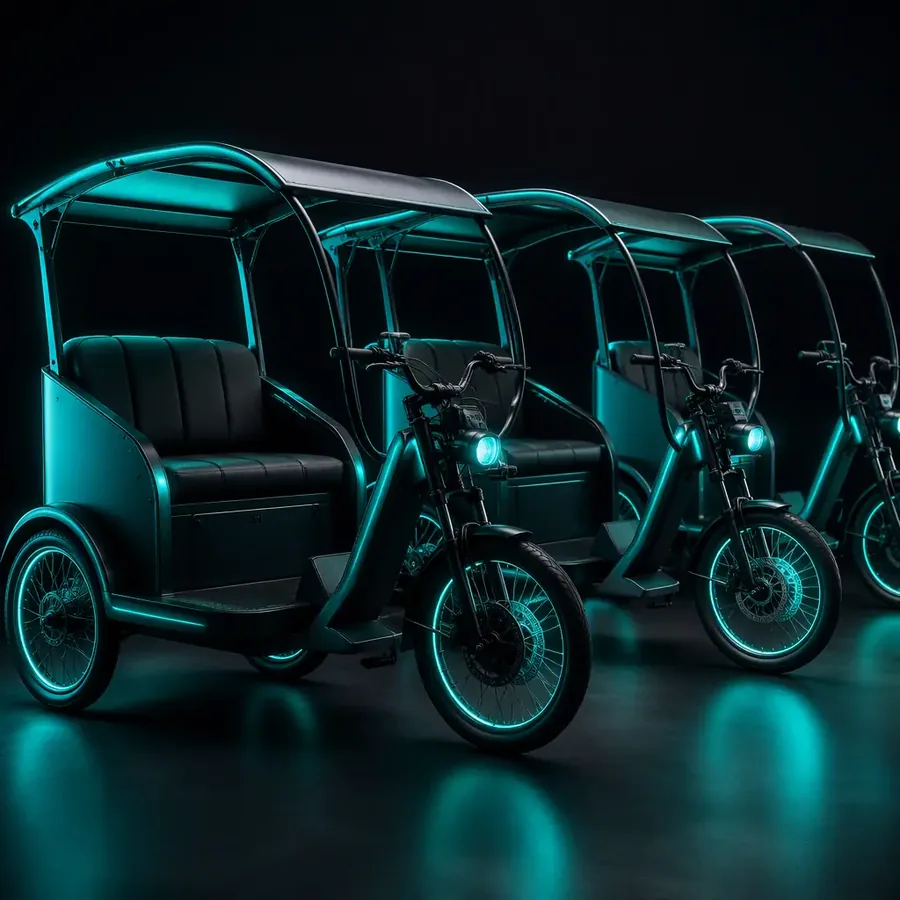
Tourist destinations have a transportation problem that golf carts, shuttle vans, and rental e-bikes all fail to solve cleanly. Golf carts need licensing and dedicated parking, shuttle vans need drivers and schedules, and rental e-bikes exclude the half of the tourist population that will not ride a two-wheeler. The passenger e-tricycle, three wheels, a bench or bucket seat, a canopy option, and a 25 km/h speed class that needs no license in most jurisdictions, has become the rental fleet vehicle of choice in beach towns, resort islands, historic city centers, and winery regions. For operators, the trike is a yield machine: it rents for $35–60 per hour, needs no fuel, and costs a fraction of a golf cart to maintain. This guide covers the fleet economics, the vehicle spec, and the operational playbook for tourism and resort rental programs.
Why Passenger Trikes Win the Rental Market
The rental economics of the passenger trike come from four structural advantages over the alternatives:
- No-license accessibility . In most US states a 750W Class 2 trike needs no license, registration, or insurance to rent; in the EU the 250W EPAC path needs none either. That removes the single biggest friction point in tourist rental: the document check at the counter. The state-by-state map is in our US and EU trike law guide.
- Zero fuel and near-zero service . A trike costs roughly $0.15–0.30 of electricity per full charge for 50–80 km of range, versus $6–10 of fuel for a comparable golf cart day. The service comparison with golf carts, including the 5-year total cost of ownership model, is in our trike vs golf cart comparison.
- Rider confidence . Tourists who have never ridden an e-bike will ride a trike: no balance required, both feet flat at stops, and a passenger seat for a partner or child. The three-wheel stability architecture that makes this possible is explained in our passenger e-tricycle guide.
- Photo value . A branded trike fleet is a moving billboard. Tourists photograph the vehicles, tag the location, and do the operator's marketing for free. A fleet of 20 branded trikes at a resort generates more visible impressions per dollar than any static signage.
The Fleet Economics: Revenue per Trike per Day
Here is the operating model that resort operators run, with real numbers:
| Line item | Value |
|---|---|
| Rental rate (per hour) | $35–60 |
| Utilization (peak season) | 4–6 rental hours / day |
| Gross revenue per trike per day | $140–360 |
| Electricity per full charge | $0.15–0.30 |
| Daily maintenance reserve | $3–5 (brakes, tires, cosmetic) |
| FOB unit cost (750W passenger trike) | $1,250–1,550 |
| Payback period (peak season) | 6–12 weeks |
Even at 40% of peak-season utilization, a 20-trike fleet returns its capital within one season and then runs at a 70–80% gross margin per rental hour. The two costs that kill careless operators are battery degradation from multiple daily fast charges and cosmetic damage from inexperienced riders, both are addressed by the spec choices below.
Specifying the Rental Trike: What to Change From a Consumer Build
A rental trike is a commercial vehicle. It gets ridden by people who have never ridden one, parked by people who do not care, and charged three times a day. The rental-specific spec:
- Motor and speed class . For the US, the 750W Class 2 throttle build (20 mph) keeps the no-license rental model intact. For the EU, the 250W EPAC build. Faster builds (1000W+) push the vehicle into NEV or L2e territory and ruin the rental economics with registration requirements. The class logic is in our motor power class guide.
- Battery strategy: swappable packs . A 48V/60V pack with a 50–80 km range covers 2–3 rental hours of hard tourist duty; operators run 2 packs per trike and swap at the station between rentals instead of waiting for charges. The pack sizing and BMS discipline is in our battery technology guide.
- Canopy as standard . A hard-top canopy is the difference between a fleet that rents in rain and one that sits idle. Sun, light rain, and tourist comfort all favor the canopy; the weight/drag/range trade-offs are quantified in our tricycle canopy guide.
- Dual rear wheels with parking brake . Tourists park on slopes. A handlebar parking brake and a stable delta layout (two rear wheels) are non-negotiable; the stability spec that matters is detailed in the passenger trike architecture section of our passenger guide.
- Durable trim over luxury trim . Metal bumpers, grippy floor mats, rubber-edged box corners, and matte finishes hide the scratches that glossy consumer paint shows immediately.
Operations: The Rental Station Playbook
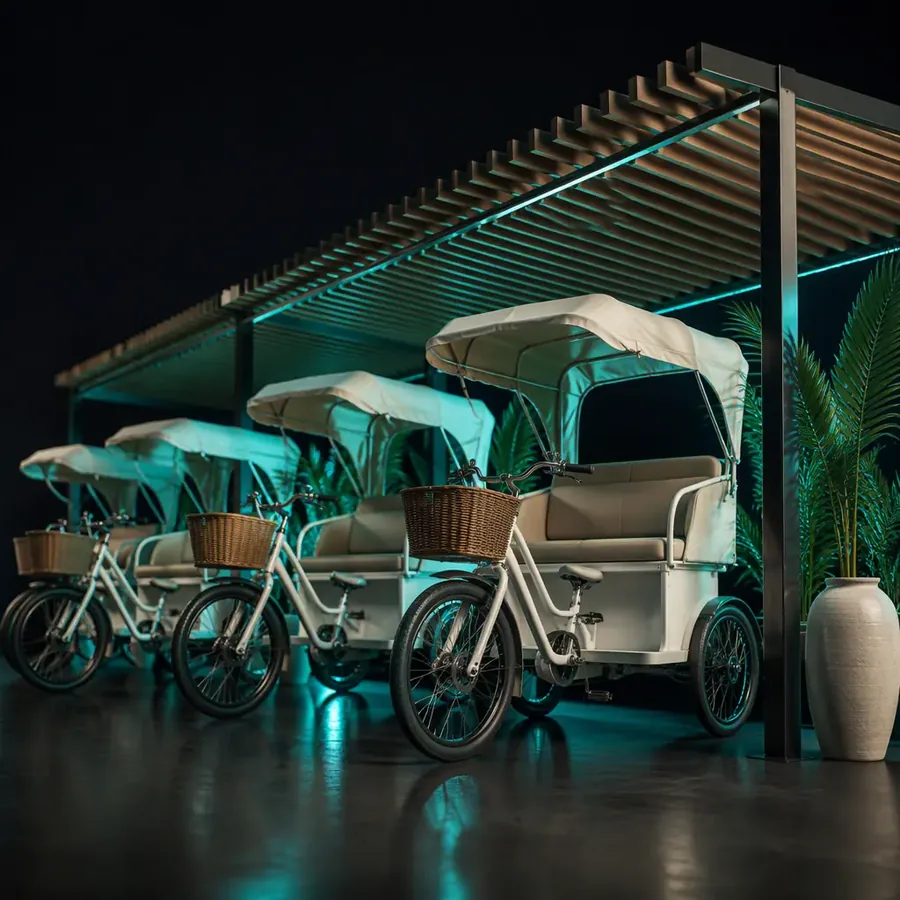
Operators who run profitable trike rentals converge on the same procedures:
- Pre-ride checklist at the counter, 90 seconds: tire pressure, brake lever feel, battery percentage, horn, mirrors. The checklist items are the same ones in our tricycle maintenance guide, run per rental instead of per week.
- Zone-limited geofencing or physical perimeter . Define the rental area (beachfront promenade, resort grounds) and enforce it with a simple map; GPS geofencing is available on the fleet telematics side.
- Dock-and-swap charging . The station holds 2 packs per trike; a discharged trike comes in, the pack is swapped in 60 seconds, and the trike goes back out. No trike waits for a charge during peak hours.
- Daily cosmetic sweep, 10 minutes per trike at close: wipe seats, check lights, air tires. The annual service budget that keeps a rental fleet at 95% availability is broken down in our maintenance cost guide.
- Seasonal storage . Off-season, charge packs to 60% and store indoors; the storage protocol that doubles pack life is in our battery guide.
Use Cases Beyond the Beach
The same vehicle platform runs in several rental verticals, and each one changes the spec slightly:
- Historic city tours . The trike replaces the pedal rickshaw and the e-bike tour. Spec: 250W EU build, audio tour mounting point, and a passenger bench with a backrest. The tour narration becomes the differentiator; the trike is the quiet, non-polluting platform.
- Winery and vineyard shuttles, 4–6 trikes move tasting groups between parking and the tasting room. Spec: canopy, cup holders, and a cargo tray for purchases.
- Resort and cruise-port transfers . Cruise passengers get off the ship, skip the shuttle line, and take a branded trike to the beach. Spec: luggage tray, 2-passenger bench, and the fastest possible dock turnaround.
- Accessibility rentals . The trike's low step-over and stable delta layout make it the rental of choice for older tourists. That segment, and the ergonomics spec that serves it, is covered in our passenger e-tricycle OEM guide.
For operators building a destination rental program, our tourism and rental industry page covers the OEM package, and the fleet management discipline for multi-vehicle operations is in our government and institutional fleet guide.
Ordering the Fleet: MOQ, Customization, and Lead Time
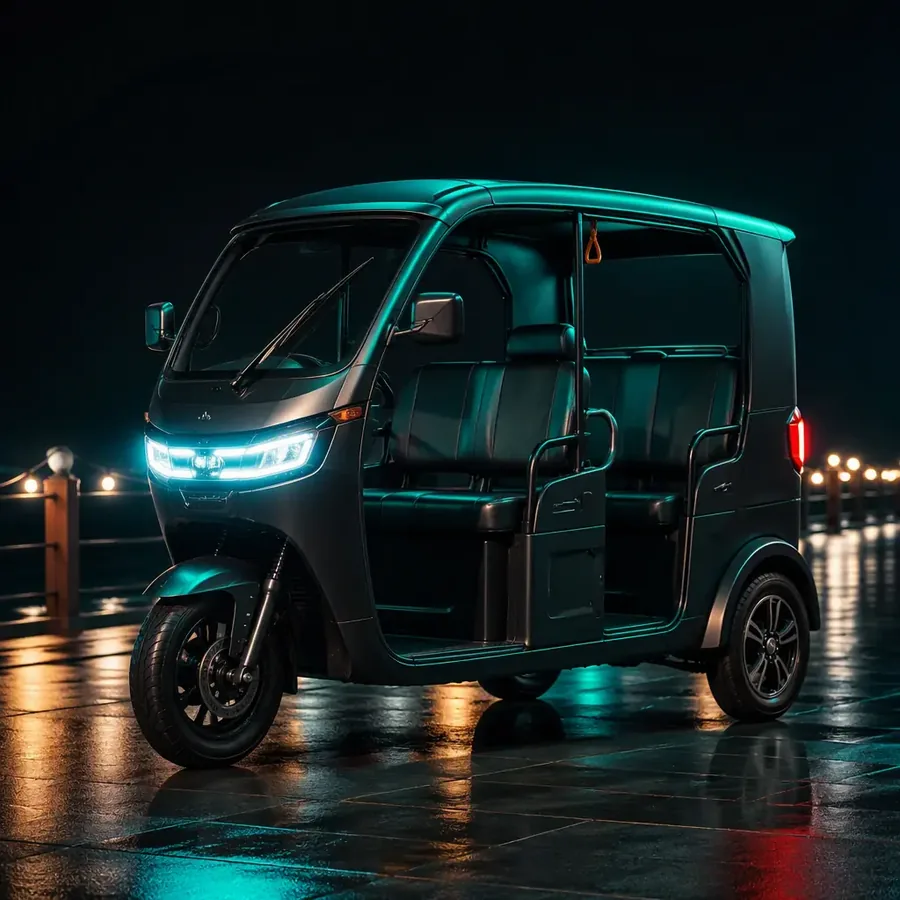
EMS-EBIKE builds passenger trikes for rental operators at a 50-unit MOQ, with FOB China pricing from $1,250–1,550 depending on motor, battery, and canopy configuration. Standard rental customization includes fleet color and logo decals, swappable battery packs, canopy or open-top, and a cargo tray or passenger bench, with first-article samples at 4–6 weeks and serial production at 15–30 days after approval. The negotiation structure, payment terms, and inspection checklist for a first order are in our OEM buying guide, and the import-side details, HS codes, container loading, and landed cost, are in our importing electric tricycles from China guide.
Build a Rental Trike Fleet for Your Destination
Tell us your destination type, rental rate model, and season length. We will spec the motor class, swappable battery packs, canopy, and fleet branding, with a sample unit and load-tested durability data.
